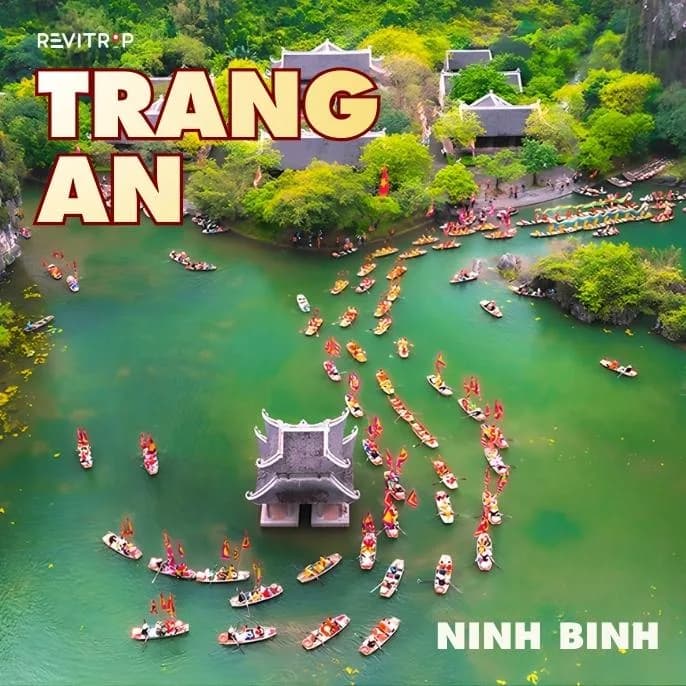
Trang An Landscape Complex: A Crown Jewel of Vietnamese Nature Heritage
If you’re looking for one of the most breathtaking UNESCO World Heritage Sites in Southeast Asia, Trang An Landscape Complex in Ninh Binh, Vietnam deserves a top spot on your itinerary. Often called “Ha Long Bay on land,” Trang An Vietnam is a rare mixed cultural and natural heritage destination where million-year-old limestone karsts, ancient caves, and sacred temples come together in extraordinary harmony.
This guide covers everything you need to know before visiting, from what makes Trang An so special, to how to get there, what to do, and when to go.
What Is Trang An Landscape Complex?
Trang An Landscape Complex is a vast protected area located in Ninh Binh Province, roughly 100 km south of Hanoi. It was inscribed on the UNESCO World Heritage List on June 23, 2014, becoming the first mixed cultural and natural heritage site in Southeast Asia to receive this recognition.
The complex covers 6,226 hectares of limestone massif, surrounded by a buffer zone of over 6,000 hectares of rural rice paddies and wetlands. It is organized into three main protected zones:
| Protected Zone | Key Highlights |
| Hoa Lu Ancient Capital | Vietnam’s 10th–11th century imperial capital, royal temples |
| Trang An – Tam Coc – Bich Dong Scenic Area | Limestone karsts, caves, boat tours, pagodas |
| Hoa Lu Special-Use Forest | Tropical rainforest, biodiversity, wildlife corridors |
Together, these zones preserve an environment shaped over 250 million years of geological history and more than 30,000 years of continuous human habitation, an exceptionally rare combination anywhere in the world.
The Natural Wonders of Trang An, Ninh Binh
Limestone Karst Landscape
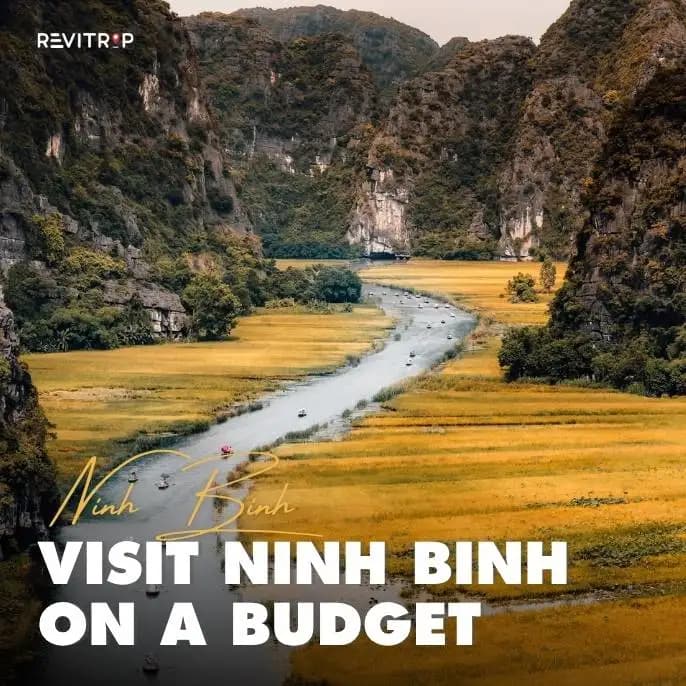
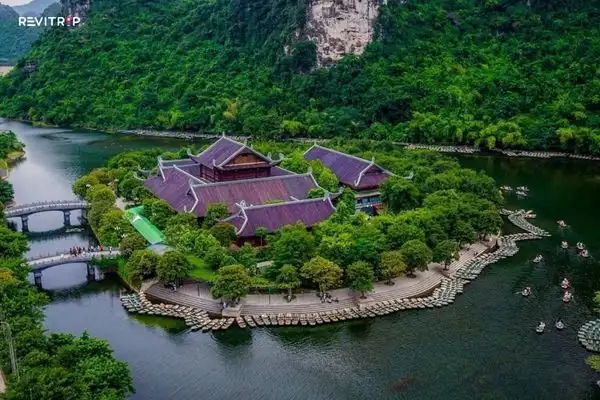
The defining feature of Trang An Vietnam is its dramatic limestone karst scenery. Towering peaks draped in tropical rainforest rise sharply from jade-green rivers and flooded valleys. This geological spectacle was formed over millions of years and remains one of the most intact tower-karst systems in the world.
The massif supports over 600 plant species and more than 200 animal species, many listed in Vietnam’s Red Book of endangered wildlife, including mainland serow, leopard cats, and rare striped-neck turtles in the aquatic ecosystem.
Virtual exhibition by UNESCO and the Trang An Management Board on Google Arts & Culture.
The Cave System
One of Trang An’s most celebrated features is its extensive network of wet and dry caves, all accessible only by boat. Notable caves include:
- Bright Cave (Hang Sang) – Naturally lit, ideal for first-time visitors
- Dark Cave (Hang Toi) – Completely unlit; visitors navigate by headlamp
- Nau Ruou Cave – Among the most impressive karst formations in the complex
- Ba Giot Cave, Dia Linh Cave – Sacred and archaeologically significant
These grottoes are strictly protected and can only be entered by traditional rowing boat, which keeps visitor impact low and the experience genuinely immersive.
Cultural Heritage: History Written in Stone
Hoa Lu Ancient Capital
Before Hanoi rose to prominence, Hoa Lu was the political heart of Vietnam. In the 10th and 11th centuries, it served as the imperial capital under the Dinh and Early Le dynasties. Today, the site contains royal temples dedicated to Emperor Dinh Tien Hoang and Emperor Le Dai Hanh, surrounded by the same protective limestone walls that made Hoa Lu an ideal fortress. Read more about the history, where to go anb what to do in Hoa Lu Ancient Capital.
Planning tip: Hoa Lu is about 4 km north of the Trang An boat wharf, easy to combine in a single day trip.
Dynastic Relics and Sacred Temples
Hidden within the Trang An landscape are temples and palaces representing centuries of Vietnamese royal and spiritual history:
- Vu Lam Palace – A Tran dynasty site used during resistance against the Yuan dynasty (13th century)
- Trinh Temple, Tran Temple, Suoi Tien Temple – Sacred sites accessible only from the water
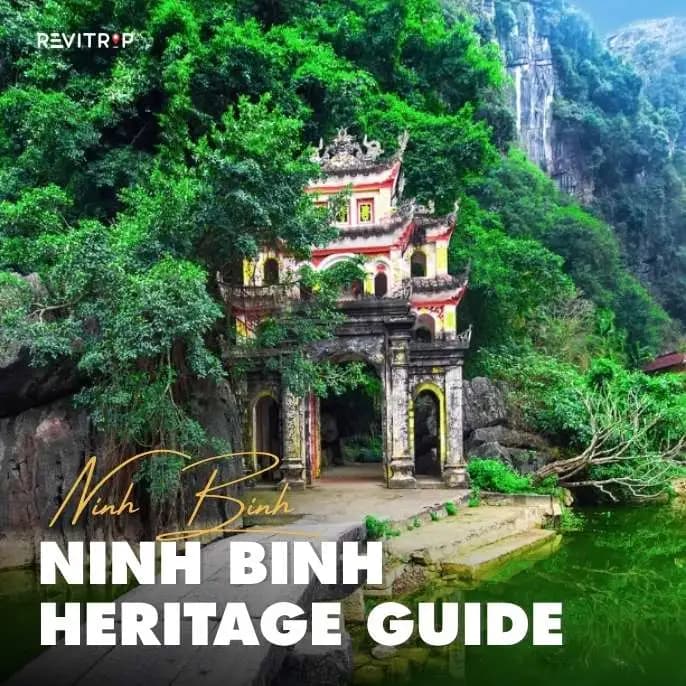
- Bich Dong Pagoda – A multi-level pagoda carved into Bich Dong Mountain, among the most iconic sights in Ninh Binh
- Bai Dinh Pagoda – The largest Buddhist pagoda complex in Vietnam, located approximately 15 km northwest of Ninh Binh City
Trang An Boat Tour: The Must-Do Experience
The centerpiece of any visit to Trang An is the traditional rowing boat tour, where local rowers (often using their feet to paddle) guide you through winding waterways, into cave passages, and past towering cliff faces draped in jungle vegetation.

The Three Boat Routes
| Route | Duration | Highlights |
|---|---|---|
| Route 1 | ~2–2.5 hours | Khong Temple, Trinh Temple, multiple caves |
| Route 2 | ~2.5–3 hours | Best balance of caves and temples, recommended for first-timers |
| Route 3 | ~3–4 hours | Longest route; includes Vu Lam Palace area |
Each boat holds up to 4 passengers plus one rower. Tours depart daily from 7:00 AM to 4:00 PM. Book tickets at the on-site ticketing office upon arrival, arrive early on weekends and holidays to avoid long queues.
Trang An is often compared to nearby Tam Coc, Ninh Binh. While Tam Coc is shorter and more compact, Trang An offers a longer, more diverse experience with more cave passages and historical stops.
Beyond the Boat: Other Things to Do
While the boat tour is the headline act, Trang An Vietnam rewards visitors who slow down and explore further:
- Cycling through the surrounding countryside, past rice paddies and limestone outcrops
- Trekking and hiking to viewpoints overlooking the massif
- Temple visits at Hoa Lu Ancient Capital and Bich Dong Pagoda
- Photography, especially at sunrise or during the golden rice harvest season in September–October
- Seasonal festivals, including the Trang An Festival (third lunar month) and Co Lau Festival
Trang An also holds a place in popular culture: it was one of the filming locations for Kong: Skull Island (2017), and elements of the set remain visible within the complex.

Getting to Trang An, Ninh Binh
Trang An is located about 100 km south of Hanoi, making it an easy day trip or overnight destination.
| Transport | Duration from Hanoi | Notes |
|---|---|---|
| Private car / tour | ~1.5–2 hours | Most flexible option |
| Train | ~2.5–3 hours | Scenic; book via Vietnam Railways |
| Limousine bus | ~2–2.5 hours | Cost-effective; runs regularly |
| Motorbike | ~2.5 hours | Best for independent travelers |
Note: Ninh Binh does not have its own airport. Travelers flying in should arrive at Hanoi’s Noi Bai International Airport and continue by ground transport.
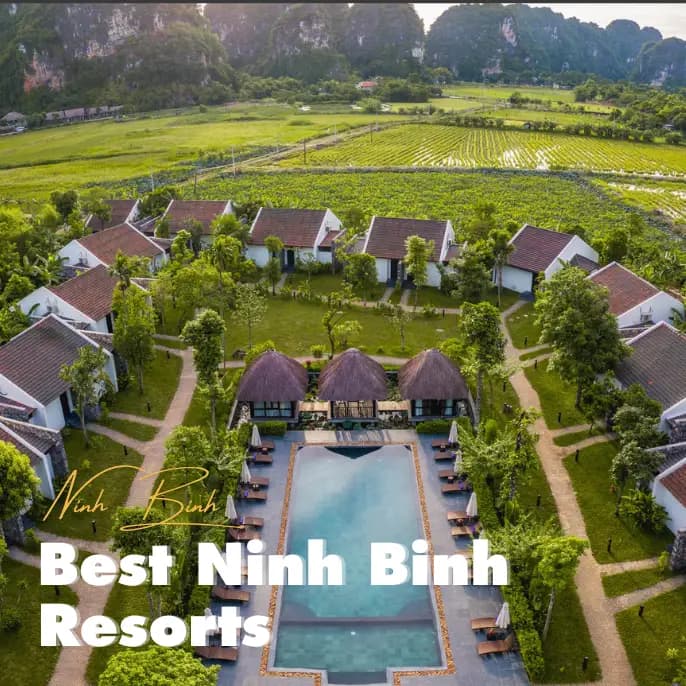
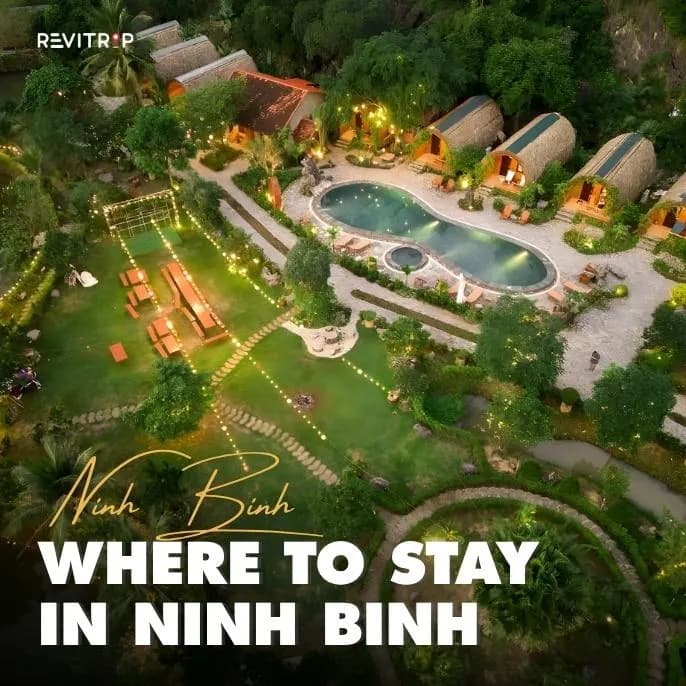
If you’re looking for a comfortable base, Ninh Binh Hidden Charm Hotel & Resorts is a well-regarded accommodation option close to the main sights.
When to Visit Trang An
Trang An is open year-round, but each season offers a different experience:
| Season | When | What to Expect |
|---|---|---|
| Spring | Feb – Apr | Warm, mild; Trang An Festival; lush greenery |
| Summer | May – Aug | Hot and humid; lotus ponds in full bloom; busiest season |
| Autumn | Sep – Nov | Cooler weather; golden rice harvest, the most photogenic season |
| Winter | Dec – Jan | Cool and quiet; fewer crowds; good visibility |
- Best overall: December through March for comfortable weather, fewer visitors, and clear skies.
- Best for photos: September–October for the iconic golden rice fields.
Practical Information
| Detail | Info |
|---|---|
| Location | Ninh Binh Province, Northern Vietnam |
| Entrance fee (adult) | ~200,000 VND (~$8 USD) includes boat tour |
| Opening hours | 7:00 AM – 4:00 PM daily |
| Distance from Hanoi | ~100 km south |
| UNESCO status | Mixed World Heritage Site (inscribed 2014) |
| Total area | 6,226 ha (plus 6,026 ha buffer zone) |
Trang An vs. Tam Coc: Which Should You Visit?
A common question for first-time visitors is whether to choose Trang An or Tam Coc. The short answer: if time allows, visit both. For a detailed comparison, see our guide on Trang An vs Tam Coc.
In brief: Trang An is larger, longer, and more diverse, featuring more cave passages, more temples, and a fuller cultural experience. Tam Coc is more compact and easier to combine with a cycling loop through the countryside.
Final Thoughts
The Trang An Landscape Complex is one of Vietnam’s most rewarding destinations, a place where geological wonder, ancient history, and living culture meet in a single, beautifully preserved landscape. Whether you’re gliding through a cave on a wooden sampan, standing before a thousand-year-old temple, or watching the sun set over limestone peaks reflected in still water, Trang An Vietnam delivers experiences that stay with you long after you’ve left Ninh Binh.
Plan your visit thoughtfully, arrive early, and don’t rush, this is a landscape best savored slowly.
FAQ
Trang An is around 7 kilometers from Ninh Binh town so you can easily visit for the day.
Trang An is an area near Tam Coc, famous for its serene landscapes and boat tours. While Ninh Binh City is primarily a transit hub, Tam Coc and Trang An are the places to stay if you’re looking to experience the beauty of the region
Trang An is Vietnam’s first mixed World Heritage Site recognized by UNESCO in 2014, known for its limestone mountains, winding rivers, and caves like Mua Caves and Ba Giot Caves, and Dark Caves.